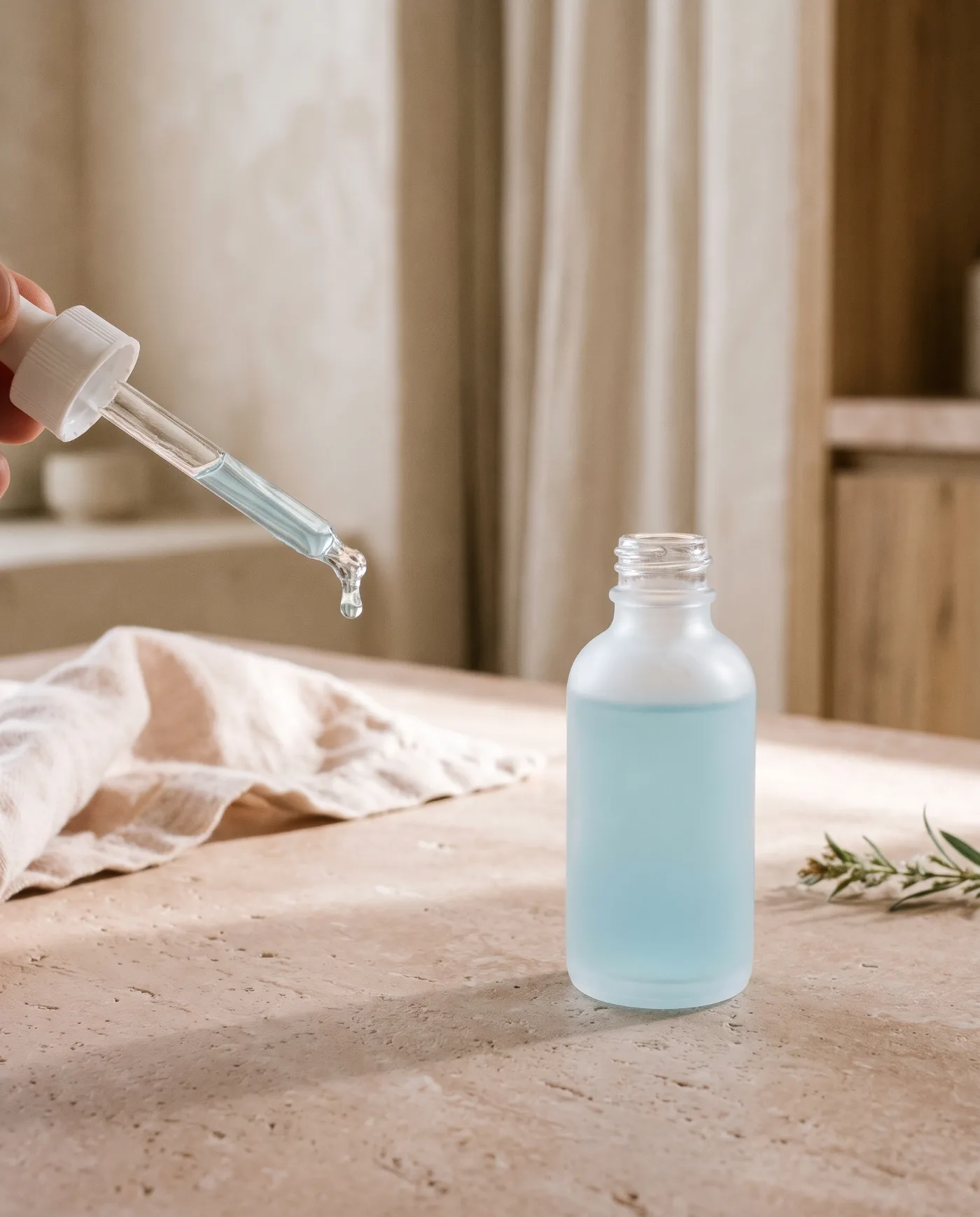
Pairing Copper Peptides With Microneedling and Peels
This is where a topical peptide can provide real value. After microneedling or chemical peels, the skin is in active repair mode. Research suggests GHK-Cu aids wound healing and supports the skin’s natural recovery processes, including new blood vessel growth that may help reduce scarring.
Always follow your provider’s guidance on when to start. Our microneedling aftercare guide and chemical peel process guide walk through the healing timeline. Some routines also pair it with acids or microdermabrasion. If you are comparing actives, our PDRN vs retinol guide is a helpful next read.
Are Copper Peptides Overhyped?
Some people do feel online claims run ahead of the evidence. A few users report no change with other copper peptide products, while GHK-Cu has the deepest body of research behind it. Still, it is gradually restorative, not an overnight fix.
It is a supporting player, not a replacement for in-office treatments. Peptide options continue to evolve with federal regulations, and our peptide therapy page covers what we currently offer.
Frequently Asked Questions
What does GHK copper peptide do?
A GHK copper peptide helps support collagen and elastin production, calm inflammation and protect skin from free radical damage. Over time, it can soften fine lines and improve skin texture and tone. Many patients find it most useful during recovery after procedures.
What are the downsides of copper peptides?
The main downsides are slow results and inconsistent quality across products. Most skin types tolerate them well, but small things like mixing them with strong acids or vitamin C at the same time may cause irritation. Patch test first and confirm your routine with your provider.
How long does it take for GHK-Cu to work?
Most patients notice a small change in hydration within a few weeks, while firmness and fine lines typically take 8 to 12 weeks of consistent use. Your experience may vary based on the formula and your skin.
What are the pros and cons of taking GHK-Cu?
Using topical GHK-Cu gives gentle, well tolerated support for firmness, texture and recovery. The cons are gradual results, the cost of quality products and a small difference compared with procedures. It works best as one part of a broader plan.
Book Your Consultation
Have questions about your recovery routine? Browse our FAQ page. Book your consultation using the appointment form on this page.