
The Chemical Peel Process: What to Expect Step by Step
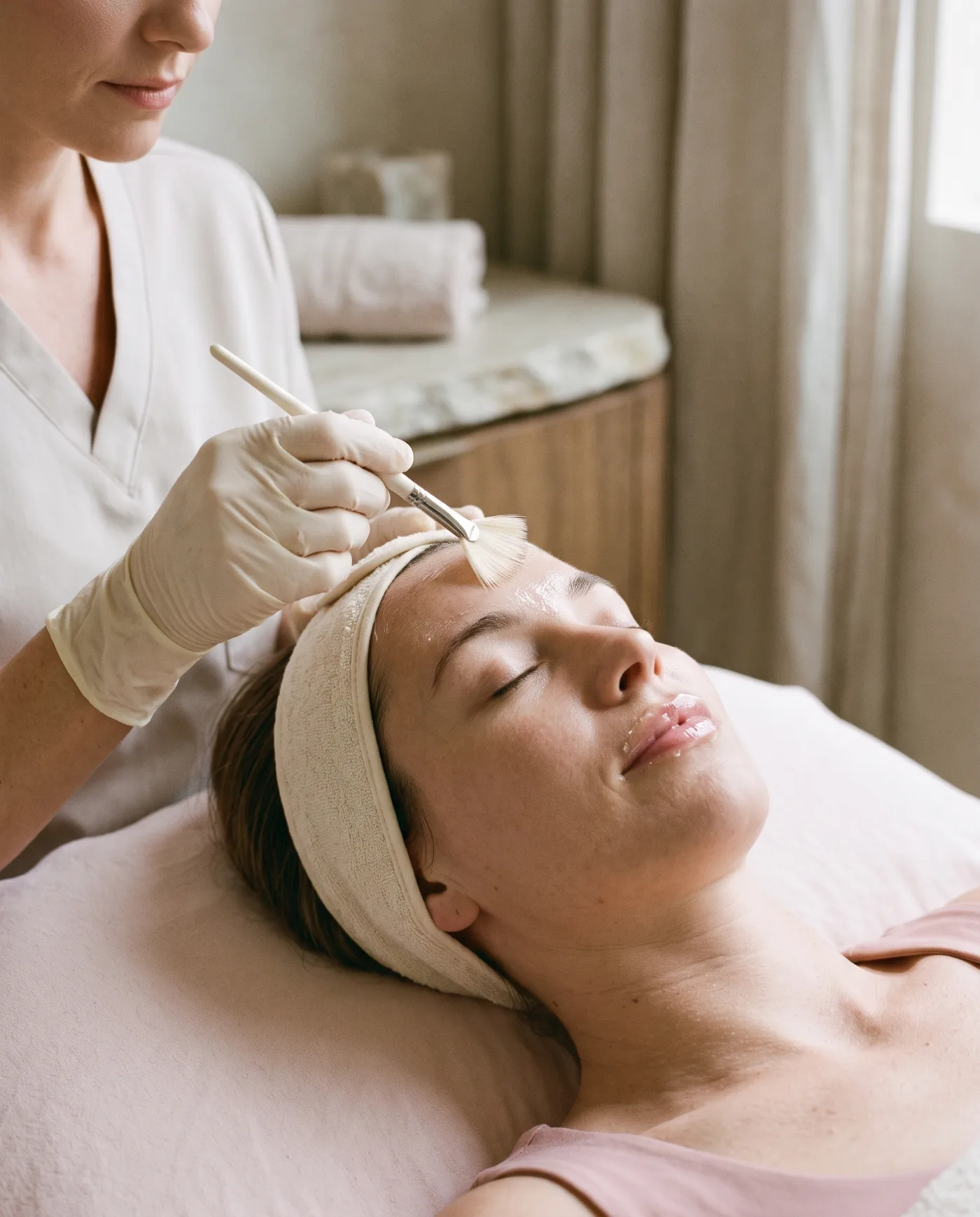
Knowing what happens before, during and after a chemical peel can make the experience feel calmer. This comprehensive guide walks you through the chemical peel process, from your first chemical peel consultation to the day your skin heals and looks refreshed.
At Yanasthetics in Aventura, we offer The Perfect Derma Peel, a medium-depth chemical peel. Here is what to expect from your chemical peel treatment.
What Is a Chemical Peel?
A chemical peel is a skin-resurfacing treatment that uses a chemical solution to exfoliate damaged outer layers in a controlled way. The goal is to remove dead skin cells and the top layers of sun-damaged skin so fresher, healthier skin cells can surface.
As your skin repairs itself, cell turnover speeds up and collagen production increases. Over time, a chemical peel may improve skin texture and tone, soften the appearance of fine lines, and help with uneven skin tone, dark spots, and hyperpigmentation. Many patients also notice better hydration and more glowing skin.
Because of real risks, a chemical peel should always be performed under medical supervision.
Types of Chemical Peels
Every chemical peel falls into one of three main categories based on peel strength and depth. Results and recovery time vary depending on which type of peel you choose.
Superficial Peels
Superficial peels, sometimes called light peels, target the outermost layer of skin. Glycolic and salicylic acids are commonly used. Light peels suit most skin types and are ideal for mild exfoliation. They can treat dullness, mild acne, and texture irregularities, and may reduce the appearance of fine lines. A superficial peel typically involves minimal downtime of 1 to 2 days.
Medium Peels
Medium peels penetrate the upper dermis and often use trichloroacetic acid (TCA). They address moderate concerns like acne scars, deeper wrinkles, sun damage, and pigmentation. A medium peel typically needs about 5 to 7 days of recovery, sometimes up to 2 weeks.
The Perfect Derma Peel, our medium-depth option, blends TCA, glycolic acid, and other AHAs and BHAs to target several skin concerns in one treatment.
Deep Peels
A deep peel uses phenol or high-concentration TCA and reaches the mid-dermis to treat severe sun damage and deep wrinkles. It requires more intensive medical monitoring and a long recovery of 2 to 3 weeks or longer. Medium and deep peels carry more risk than superficial peels, so careful screening matters to lower the risk of scarring.
Who Is a Good Candidate?
A chemical peel consultation helps determine whether a chemical peel is right for you. We review your medical history, medications, and goals, and assess your skin concerns. A chemical peel can work for many skin types with a personalized formula.
Patients with darker skin tones have a higher risk of post-inflammatory hyperpigmentation, so we often recommend a patch test and a conservative approach. If you have sensitive skin, active acne, or a recent sunburn, your treatment plan may change.
The Chemical Peel Procedure, Step by Step
The chemical peel procedure itself is quick. Here is how the process typically unfolds:
- Cleanse and prep. Your skin is cleansed and degreased so the peel absorbs evenly.
- Protect. Delicate skin around the eyes, nostrils, and lips is shielded.
- Apply. The treatment involves applying the peel solution in even layers. Mild stinging or burning is common and usually fades quickly.
- Monitor and neutralize. Your provider watches how your skin responds, then neutralizes the peel at the right moment.
- Soothe. A calming product and sunscreen finish the treatment.
Right after your chemical peel, your skin may appear red and tight, similar to a mild sunburn.
Chemical Peel Recovery Process: A Day-by-Day Timeline
Every chemical peel process differs, but here is a typical medium-depth timeline.
Day 1: Redness and Tightness
Expect redness, tightness, and possibly mild swelling. Your skin may look slightly shiny or darker in spots.
Days 2 to 3: The Peeling Phase Begins
Peeling typically begins on day 2 to 3. The skin begins to feel dry, and flaking often starts around the mouth. These are dead skin cells lifting away.
Days 4 to 7: Noticeable Peeling
This is usually the stretch of most noticeable peeling. Picking flakes can lead to irritation, hyperpigmentation, or scarring. Let the dead skin shed on its own.
Week 2 and Beyond
By week two, most flaking settles, revealing smoother, brighter skin underneath. Collagen keeps rebuilding for weeks after treatment, so fine lines and wrinkles often continue to soften.
Aftercare Instructions to Ensure Proper Healing
Following aftercare instructions closely helps ensure proper healing and optimal results. Good post-treatment care includes:
- Wash with a gentle cleanser and lukewarm water, then pat dry.
- Moisturize often to support the healing process.
- Do not exfoliate with retinoids, acids, or scrubs until your provider clears them.
- Avoid direct sun exposure for at least two weeks and wear a broad-spectrum sunscreen daily.
- Skip waxing, saunas, and intense workouts during the first week after treatment.
Fresh post-peel skin is more prone to discoloration and irritation, so protection matters. Ask your provider whether a gentle peptide serum such as GHK-Cu fits your recovery.
Frequently Asked Questions
How is a glycolic acid peel performed?
A glycolic peel is performed by cleansing and degreasing the skin, applying the solution for a carefully timed period, neutralizing it, and then soothing the skin. Most patients return to normal activities the same day after treatment.
How long does a chemical peel procedure take?
A chemical peel appointment is usually under an hour, including prep and aftercare. Applying the peel itself typically takes only a few minutes.
What are the signs that a chemical peel is working?
Common signs include mild redness, tightness, and flaking a few days later. Not every peel causes visible shedding, but a brighter glow, smoother skin texture and fewer acne breakouts over the following weeks also show the chemical peel is working.
What should I expect on day 2 of a chemical peel?
On day 2, your skin typically feels tight and dry and may look slightly darker. Light peeling may start, often around the mouth. Keep moisturizing and avoid picking.
Conclusion: Chemical Peels Done Right
A few final words: a chemical peel can be one of the most effective facial treatments for skin rejuvenation when it is matched to your skin and done with care. Choosing the right peel depth for your skin, preparing well, and following aftercare all help you reach youthful skin with fewer surprises.
At the time of writing, The Perfect Derma Peel is $300 per session or $750 for 3 (see our price list). Some patients pair a chemical peel series with microneedling for added texture benefits. Our microneedling aftercare guide explains what that recovery looks like.
Book Your Chemical Peel Consultation
Curious about the right peel treatment for your skin? Also browse our FAQ page. Book your consultation using the appointment form on this page.
Other Services
Appointment

Yana Bromberg is a board-certified Physician Assistant and the founder of Yanasthetics, a boutique injectables clinic in Aventura, FL. With over eight years of experience in medical aesthetics, Yana is known for her conservative approach, deep knowledge of facial anatomy, and commitment to natural-looking results. She trained in New York City and has studied alongside some of the top injectors in the field. Yana writes to help patients make informed, confident decisions about their aesthetic care.
Your Beauty, Our Expertise
Ready to enhance your natural beauty? Complete the form below to request your appointment.