
Lip Filler Swelling Stages: What to Expect Day by Day
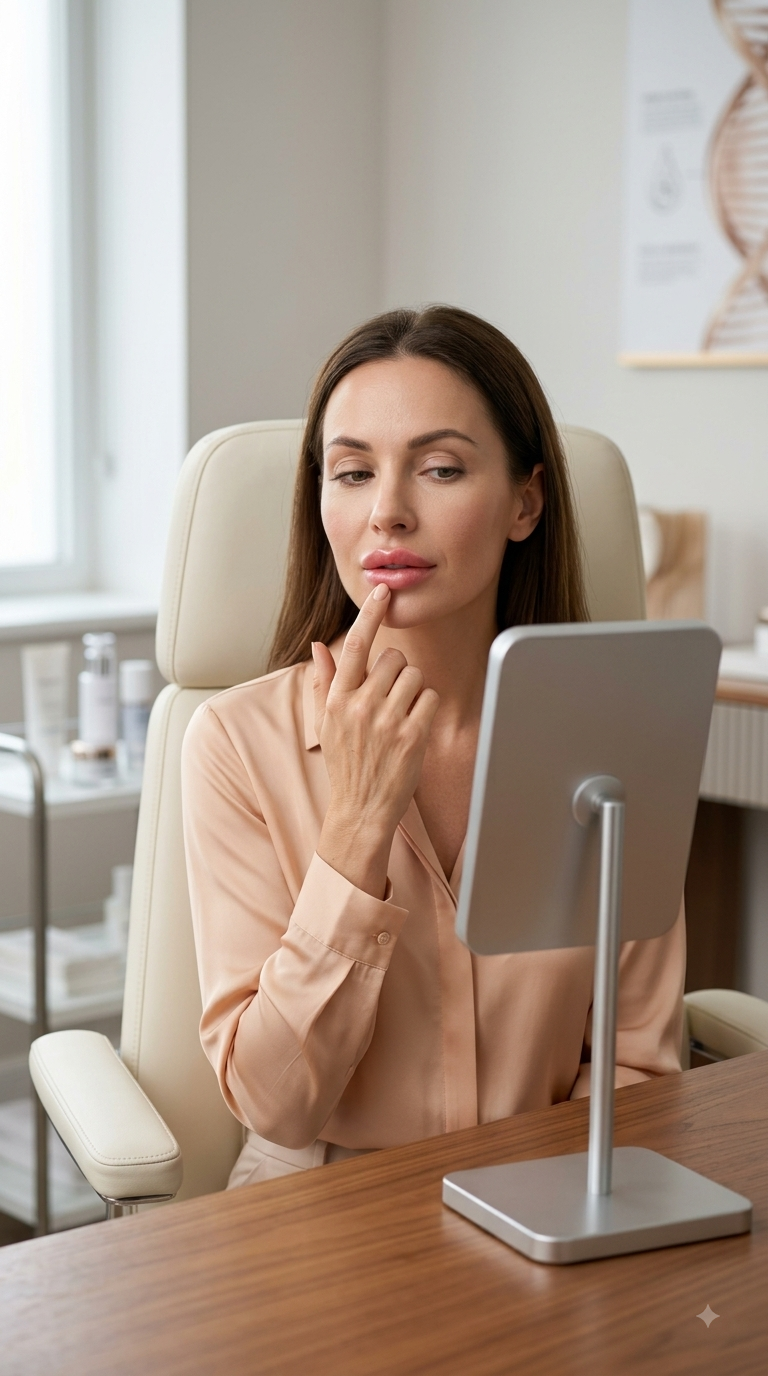
Lip filler swelling is one of the most common concerns patients have after getting lip fillers. Lip swelling after lip fillers is a predictable biological response, and the good news is that lips return to their final shape within 1 to 2 weeks. Understanding the lip filler swelling stages helps you know what to expect at each phase of the healing process. This guide walks through every stage of the filler swelling process day by day so your lips heal well with proper care.
Why Lips Swell After Lip Fillers
When lip fillers are injected, the needle creates minor trauma in the lip tissue, triggering the body’s inflammatory response. Lips swell in response because this is how the body protects and heals the injection sites after a lip filler treatment. Hyaluronic acid fillers also attract water molecules as they integrate into lip tissue, adding to the lip filler swelling most patients experience in the first hours after lip fillers. Lips are highly vascular tissue, which is why lips can appear significantly larger right after lip fillers than they will look once they have healed. Swelling after a lip filler treatment is completely normal, not a sign that something went wrong. Following proper lip filler aftercare guidelines and taking steps to reduce swelling will support the smoothest possible recovery.
Lip Filler Swelling Stages: Day by Day
The filler swelling stages are predictable. Here is what lips go through during the lip filler healing process, from the moment lip fillers are injected through the final reveal of your results.
Day 1: Immediate Swelling
In the first few hours after lip fillers, lips appear significantly fuller than the final result. This immediate swelling is completely normal – lips may feel tight, tender, and slightly numb as the filler material integrates into the lip tissue. Mild bruising and mild tenderness at the injection sites are common after lip fillers. The upper lip often swells more than the lower lip during this early phase of the filler swelling stages. Lips at this phase look more dramatic than they will once they fully heal after the lip filler treatment.
Days 2-3: Peak Swelling
Days two and three represent peak swelling for lips after lip fillers. Swelling peaks within 24 to 48 hours after the lip filler injections, and lips may look significantly larger during this window than the final healed result. Uneven swelling is common in the first three to five days of the lip filler swelling stages – lips may appear asymmetrical as one side swells more than the other. This is a normal phase of the filler swelling stages and does not mean the lip fillers were placed unevenly. Apply a cold compress for 10 minutes at a time to help reduce swelling and calm inflammation during peak swelling.
Days 4-7: Swelling Begins to Subside
By day four, lips begin to look more like the expected final result as the lip filler integrates into lip tissue. Inflammation begins to decline significantly during days four to seven, and most puffiness resolves within five to seven days after lip fillers. Lips feel softer, puffiness diminishes noticeably, and any asymmetry from the early filler swelling stages begins to even out. Mild bruising may still be visible on lips but is fading. Lips at this stage have some residual swelling, but the final shape is becoming much clearer.
Week 2: Residual Swelling Clears
By the second week, lips have mostly settled and residual swelling is minimal. Fluid retention that contributed to filler swelling in the early phases has largely cleared, and lips feel natural and soft. Lips heal progressively during this period as the lip filler fully integrates into the tissue. The final shape of lips becomes clearer each day, and most patients are comfortable showing their lips in social settings by the end of week two following their lip filler treatment.
2-4 Weeks: Final Results
Final results from lip fillers are usually visible by two to four weeks after injection. Lips appear at their true final volume and shape at this stage – this is when the lip filler healing process is complete. This is the right time for a follow-up appointment to assess how lips have healed and whether additional lip fillers are needed. Most lip fillers last six to twelve months before lips need a touch-up to maintain their shape and fullness.
Lip Filler Aftercare: How to Minimize Swelling
Proper lip filler aftercare helps minimize swelling and supports a smooth lip filler healing process after a lip filler treatment:
– Apply a cold compress for 10 minutes at a time in the first 24 hours to calm inflammation
– Sleep with your head slightly elevated – keeping your head elevated while sleeping reduces fluid retention in lips
– Avoid alcohol and salty foods for the first few days – both increase swelling in lips after lip fillers
– Stay hydrated by drinking about 64 ounces of water daily to support healing
– Avoid strenuous activity for at least 48 hours after getting lip fillers
– Avoid excessive sun exposure while lips are still in the healing period
Following these lip filler aftercare steps helps reduce swelling, supports healthy filler integration, and helps lips reach their final shape as quickly as possible. Patients who follow proper aftercare consistently report a smoother lip filler healing process and less noticeable swelling stages overall.
Frequently Asked Questions
Is Day 2 After Lip Fillers the Worst?
For many patients, yes. Swelling peaks within 24 to 48 hours after getting lip fillers, which typically falls on day two. Lips may feel very full, appear significantly larger than expected, and show visible bruising. This is a completely normal phase of the lip filler swelling stages. Keeping your head slightly elevated, applying a cold compress, and avoiding alcohol helps minimize swelling during this peak phase. Lips at this stage look their most dramatic and should not be judged as the final result from lip fillers.
Can Lip Fillers Look Uneven at First?
Yes. Lips often look uneven during the early lip filler swelling stages because swelling does not always distribute symmetrically. One side of lips may swell more than the other, or the upper lip may swell more than the lower lip after lip fillers. This is normal and resolves as the lips heal over the first week of the lip filler healing process. The final shape of lips should only be assessed at two to four weeks after lip fillers, once all swelling has fully resolved and the filler has settled into the lip tissue.
Does Lip Filler Get Bigger as It Settles?
No. Immediately after lip fillers, swelling makes lips look larger than the final result. As filler swelling subsides and the lip filler settles into lip tissue, lips typically appear slightly smaller than at peak swelling, eventually revealing the true final shape. Hyaluronic acid fillers integrate into lip tissue but do not expand – any apparent size change during the filler swelling stages is due to inflammation and fluid retention in the lips, not filler migration.
What Are the First Signs of Lip Fillers Gone Wrong?
While the lip filler swelling stages are normal, certain symptoms require prompt attention: severe pain in lips that worsens after 48 hours, persistent discoloration or blanching of lip tissue, lips that remain very hard after two weeks, signs of infection at the injection sites, or visible filler migration away from the intended area. True complications from lip fillers occur in fewer than 1 in 100 cases. Contact your provider promptly if lips show these symptoms. Choosing a skilled provider and following proper lip filler aftercare significantly reduces risk.
Book Your Lip Filler Consultation
Understanding the lip filler swelling stages before your appointment makes recovery much easier. At Yanasthetics in Aventura, FL, every lip filler appointment includes a full discussion of the lip filler healing process and aftercare guidance. Explore our lip filler page for more details on the treatment.
Other Services
Appointment

Yana Bromberg is a board-certified Physician Assistant and the founder of Yanasthetics, a boutique injectables clinic in Aventura, FL. With over eight years of experience in medical aesthetics, Yana is known for her conservative approach, deep knowledge of facial anatomy, and commitment to natural-looking results. She trained in New York City and has studied alongside some of the top injectors in the field. Yana writes to help patients make informed, confident decisions about their aesthetic care.